

Near-Space Access Built Around Academic Calendars
Semester-aligned stratospheric missions with payload integration support, preflight engineering reviews, and in-mission telemetry—structured so departments manage science, not operations.
Three Pillars of Institutional Launch Support
Missions Timed to Academic Terms
Students Author Real Mission Hardware
Logistics Handled. Science Remains Yours.
Each package includes a scheduled stratospheric flight, payload integration milestones, preflight engineering review, and telemetry data delivery—mapped to fall or spring semester timelines.
Mission planning, atmospheric data analysis, and payload system design are structured as coursework modules—students operate as engineers, not observers, at every phase of the mission.
Flight planning, risk documentation, and compliance paperwork are co-developed with faculty leads—so the department focuses on research objectives, not operational overhead.
FAA-compliant flight planning and recovery operations are managed entirely by Up To The Edge. Departments receive data and hardware back—intact.
Modular payload architecture supports first-launch cohorts and advanced research teams within the same semester framework.
Dedicated mission coordinator assigned to each institutional partner from contract through recovery and data handoff.
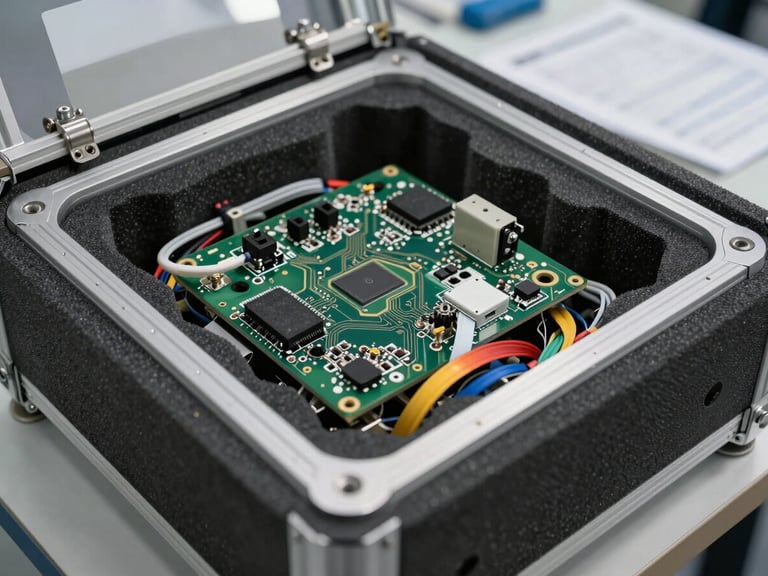
From Lab Bench to Stratospheric Deployment
Student payload teams receive integration documentation, interface specifications, and preflight review protocols calibrated to real aerospace engineering standards—not simplified for the classroom.
Supported payload types span environmental sensing, imaging systems, atmospheric instrumentation, and experimental platform integration—each flown under a documented risk mitigation framework.
Ready to Integrate a Stratospheric Mission?
Contact our institutional programs team to scope a semester package aligned to your department's research objectives, student cohort size, and procurement timeline.